
A shingle roof rewards steady attention. When you plan repairs with the same care you would give a kitchen remodel or a car service, you reduce surprises and stretch years out of your investment. I have walked more roofs than I can count, from tidy bungalows with three-tab shingles to sprawling colonials covered in laminated architectural shingles. The homeowners who fared best shared one trait: they treated shingle roof repair as a project to plan, not a problem to postpone.
This guide lays out how to evaluate your roof, choose the right scope of work, line up the timing, and bring in a shingle roofing contractor without losing sleep or money. The aim is not just to fix a leak, but to schedule smartly so the repair sticks and your home stays dry.
Start with a clear diagnosis
Before you can schedule anything, you need to know what you are scheduling. Not every curled shingle justifies replacement, and not every stained ceiling means the roof is to blame. Diagnosis starts from the inside. If you can access the attic, check after a steady rain. A flashlight will reveal darkened sheathing, damp insulation, or shiny nail tips where condensation collects. Water follows gravity but also rides along rafters and seams, so the wet spot on your bedroom ceiling may be several feet from the exterior entry point.
On the exterior, pick a calm, dry day. Walk the perimeter first. Binoculars help if you are not comfortable climbing. Look for missing or torn shingles, raised tabs, cracked sealant around penetrations, and shingle granules piled in gutters. A handful of granules after a storm is normal. Scoops of grit month after month point to aging or hail damage. Pay attention to valleys, the bottom edges where roofs meet walls, and around chimneys and skylights. These transitions fail more often than open fields of shingles.
I have seen many homeowners assume they need a full roof shingle replacement after one leak. Sometimes they do. More often the culprit is a small section of flashing that lifted during a wind event, a vent boot with a split neoprene collar, or a handful of shingles loosened by ice. The repair approach and timing depend on the source, so invest the time here. If you are unsure, reputable contractors will perform evaluations and document the findings with photos. That visual record is useful later, especially if you file an insurance claim.
Decide: repair, partial replacement, or full replacement
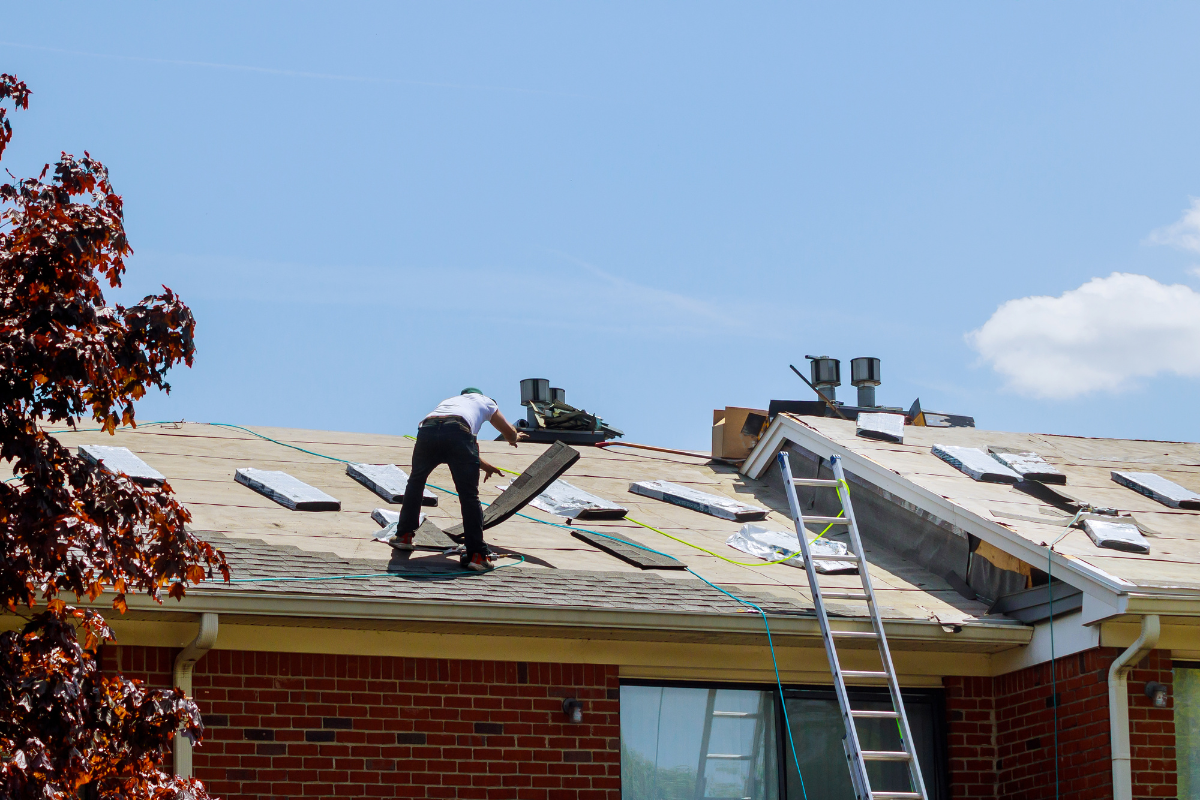
Roofers use three buckets for scope. A straightforward roof shingle repair addresses a localized issue, for example a four by six foot patch where shingles blew off, or a valley where underlayment has failed. Partial replacement swaps an entire slope or plane, often because wind uplift damaged one side more than another. Full roof shingle replacement removes all the shingles down to the deck and starts fresh.
There are trade-offs. A small shingle roof repair is fast and inexpensive compared to replacement, and it preserves the useful life of shingles elsewhere. The risk is color mismatch. Even if you bought the same brand and color line last year, sun and weather will have already changed the roof’s appearance. A partial replacement tightens the aesthetic, but it introduces seams where old meets new. If your roof is approaching the end of its service life, patching repeatedly turns into a revolving door of calls and tarps. Contractors sometimes call these roofs “brittle,” which means shingles crack when lifted for repairs and the simple fix can mushroom into a larger job.
When I evaluate borderline cases, I consider the age of the shingles, the pattern of damage, and the homeowner’s plans. Three-tab shingles last 12 to 20 years in many climates, while heavier architectural shingles stretch to 18 to 30 years. That spread depends on ventilation, sun exposure, and storm history. If your roof is 17 years old and you have multiple leaks on different planes, scheduling a full roof shingle replacement is usually more cost effective per year than piecemeal repairs. If your roof is nine years old with one hail bruise cluster on the north slope, a targeted repair or partial replacement is sensible.
Time the work to your climate and calendar
Shingle roofing is a weather-dependent trade. Asphalt shingles seal to one another using factory-applied adhesive that activates in warmth. Manufacturers publish temperature guidelines. Many shingles seal reliably once daytime temperatures reach the mid 40s Fahrenheit and stay there for several hours, though roofers prefer the 50s and above. That does not mean you cannot perform roof shingle installation in cooler months. It does mean you plan for extra measures, like hand-sealing with compatible roofing cement at shingle corners and along edges. You also handle bundles carefully because cold shingles crack if bent sharply.
If you live where summers are blistering, avoid scheduling work during the week of triple-digit heat. Shingles get tacky, footprints mar the surface, and safety risks rise. In humid southern regions, early spring and late fall are calmer, with fewer thunderstorms and gentler temperatures. In snow-prone areas, late spring through early fall is the sweet spot. Shoulder seasons also help your budget. Spring and early summer are busy, which can stretch lead times to four to eight weeks. Off-peak weeks in late summer or early fall might open sooner dates or better pricing, although storms change everything. After hail events, reputable contractors book far in advance. If you suspect damage after a storm, call quickly even if you are not ready to schedule. Getting in the queue matters.
Your personal calendar matters too. Roof work is noisy. Nail guns, compressors, and tear-off crews make their presence known. If you work from home and have important calls, ask your shingle roofing contractor to coordinate the loudest tasks for times you can manage. Most residential repairs finish in hours, not days. A partial replacement can often be done in one day per slope, depending on access and complexity. Full replacements vary from one to three days for typical single-family homes.
Build an accurate scope of work
Once you target timing, define the scope so estimates are apples to apples. For shingle roof repair, scope means more than “fix the leak.” Include removal and replacement, underlayment type, flashing details, ventilation, and disposal. If a chimney is involved, specify new step flashing and counterflashing. If a vent boot is failing, decide whether to replace with the same neoprene style or upgrade to a long-life silicone boot or metal assembly. For valleys, clarify whether you want closed-cut shingle valleys or open metal valleys. In the Southeast, I see more closed-cut; in northern climates with heavy snow, I favor open metal for longevity.
The deck beneath matters. If your house uses plank decking with gaps between boards, contractors should confirm that modern shingle fastener patterns still hold securely. Plywood and OSB decks are standard. If soft spots or staining show up during tear-off, plan for sheet replacement by the square foot or for a set allowance. You cannot always predict how many sheets will need replacement, but set a realistic range and unit cost in writing.
Ventilation is not glamorous, yet it affects shingle life and indoor comfort. Heat and moisture trapped in an attic shorten shingle lifespan and increase cooling costs. If your soffit vents are blocked or you lack a continuous ridge vent, consider addressing ventilation during repair or replacement. Adding a ridge vent during a small localized repair is not practical, but if you are replacing a long run of ridge or a full plane, this is the time.
Get estimates that mean something
A good estimate should tell the story of your roof, not just a final number. Request itemized details: shingle brand and line, underlayment type, ice and water shield coverage, flashing approach and metals used, number of pipe boots, ridge vent length, disposal fees, and any deck repair pricing. If you hear only the phrase “standard underlayment,” ask for specifics. Synthetic underlayment has largely replaced felt in many regions. On lower slopes or at eaves and in valleys, peel-and-stick ice and water barrier improves resilience, especially where snow or wind-driven rain are common.
At this stage, lean on photos. Ask contractors to include annotated pictures of problem areas. This cuts down on disagreement later. For materials, ask for shingles that match your existing roof or accept that blends are imperfect and choose a compatible alternative. Contractors sometimes carry sample boards that make the choice tangible. If your roof is older and the original shingle line was discontinued, the nearest match will still look slightly different. On rear slopes where repairs are less visible, this matters less. On front-facing slopes, you might prefer a partial replacement for a cleaner look.
If you are pursuing insurance for storm damage, estimates must reflect the scope the adjuster approves. Insurers use unit pricing systems that might not match local costs exactly, but detailed notes and photos help align the two.
Plan access, protection, and logistics
The day of a repair goes smoother when the site is ready. Clear driveway access if you can, so trucks and a small trailer or dumpster can park near the house. Move grills, planters, or patio furniture away from the work zone. A conscientious crew will tarp planting beds and lay catch tarps to keep nails and debris out of your yard. If you have a fish pond or delicate plantings under an eave, point them out during the pre-job walkthrough. I once had a client with a custom cedar pergola under the drip line; we built a temporary plywood shield to protect it. These small preparations add minutes, but they spare headaches.
Pets and children should be kept inside while work is underway. Roofing nails and curious paws do not mix. If your attic is unfinished and you expect a tear-off above, cover stored items with plastic to catch dust and small debris. If you have an alarm system with attic motion sensors, alert your security company so the technicians can move in the attic if needed without triggering alarms.
Power and bathroom access are practical questions. Crews often bring generators, but a dedicated outlet for a compressor helps. Some homeowners offer a bathroom; others prefer not to. Contractors plan either way if you discuss it openly.
Understand the repair process
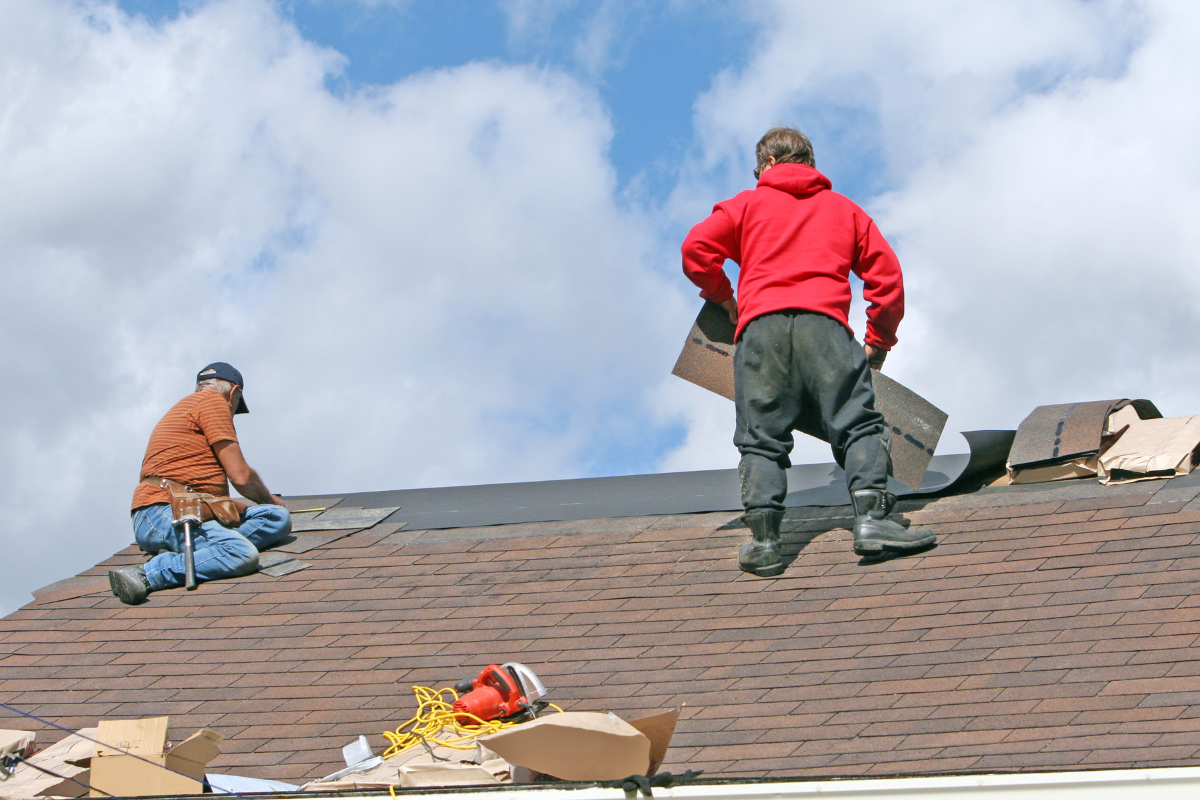
A typical shingle roof repair follows a predictable sequence. The crew protects landscaping and sets tarps. If shingles must be removed, they use shingle removers or flat bars to lift the damaged area plus a border of at least a couple of courses above and to the sides. Removing a small field section means backing out or cutting nails carefully so adjacent shingles are not torn. If the repair crosses a valley or ridge, the cut and replacement detail matters. Closed-cut valleys require neat angled cuts; open valleys need proper W or V metal with hemmed edges and a clean reveal.
Underlayment is replaced or patched to tie into existing material with proper overlaps. For low slopes, I prefer wider patches of ice and water shield extending above and beyond the repair area. Flashings at walls or chimneys get reset, not just caulked. Caulk and roofing cement have their place as sealants and reinforcement, but they are not structure. A long-lasting repair relies on correct shingle alignment, nailing at the right depth and location, and sealed edges per manufacturer instructions. Corner tabs might be hand-sealed in cooler weather or in high-wind zones.
Once the new shingles are installed, ridges and vents are reassembled, and penetrations are sealed. The crew then performs magnet sweeps to collect nails from the yard and driveway. A good cleanup involves multiple passes and different magnet styles. If you do not see magnet tools, ask for a sweep. Finding stray nails with your mower is an unpleasant way to end a project.
Quality control and what to ask for
Not all roof work is visible from the ground, but you can still inspect outcomes. Look for flush nailing. Nails should not be overdriven or sunk below the shingle surface. Shingle courses should align consistently. In repaired areas, slight plane differences can appear if the deck is uneven, yet the shingle reveal should remain even. Flashing lines should be tight and stepped properly at walls, with counterflashing embedded or regletted, not just sealed to brick or stucco. Pipe boots should sit snugly with a smooth flange. On a warm day, look again in the afternoon to see if adhesive strips are bonding.
Ask for a brief walk-through of photos showing the repair in progress: deck condition before underlayment, underlayment tie-ins, flashing install, and final surface. This documentation is useful for your records and for any future sale. Request warranty terms in writing. Most contractors offer a workmanship warranty on repairs, often one to five years depending on scope. Material warranties on shingles typically cover manufacturing defects, not installation or storm damage, and for repair areas they are less relevant unless you replaced a significant section with new product.
Budgeting and contingencies
Prices vary by region, access, pitch, and material. As a rough yardstick, a small shingle roof repair might run a few hundred to a couple thousand dollars, depending on complexity and the need for flashing. A partial slope replacement is priced by the square, with one square covering 100 square feet. Labor and material rates range widely across the country, but if you multiply the number of squares on that slope by local per-square rates, you will get close. Always include dump fees and the cost of protective measures like ice and water shield where required. Build a 10 to 20 percent contingency for deck repairs, particularly on older homes or those with known leaks.
Payment schedules for repairs are usually simple, often payment upon completion. For larger scopes, a deposit to secure materials is normal, with the balance due after final inspection. Avoid paying in full before work begins unless you know the contractor well and have clear protections.
Working with a shingle roofing contractor you can trust
Credentials do not guarantee integrity, but they help. Look for licensing where required by your state or municipality, general liability insurance, and workers’ compensation coverage. Manufacturers certify installers for specific product lines. If you are replacing a large area or your entire roof, hiring a contractor recognized by the shingle manufacturer can open better warranty options. For a small shingle roof repair, experience with similar repairs matters more than a plaque on the wall.
During the estimate, pay attention to how the contractor talks about your roof. Do they climb, take photos, and explain options? Do they discuss ventilation and flashing, not only shingles? I have met excellent small operators who run lean crews and big outfits with polished processes. Both models can deliver quality. What you want is clarity, documented scope, reachable contacts, and a crew that shows up when scheduled. If a contractor’s timeline keeps slipping before work begins, that is a warning. Weather causes delays, but communication should stay steady.
Permits, codes, and HOA considerations
Many municipalities do not require permits for minor roof shingle repair, but some do for any roofing work above a certain scope. If deck replacement is likely or you plan to alter ventilation or add new penetrations, ask about permit requirements. Contractors who work locally know the rules and can pull permits when necessary. Local codes may specify ice barrier widths at eaves, drip edge requirements, or nailing patterns in high-wind zones. Follow them. Cutting corners to save a few dollars invites larger costs later and can hamper future insurance claims.
If you live in a community with an HOA, review any guidelines for roofing materials and colors. On visible slopes, an HOA may require a specific shingle profile or color range. Getting approval ahead of time keeps your schedule on track.
Special cases: storm damage, skylights, chimneys, and low slopes
Storm claims introduce a new calendar. Begin by documenting everything: the date of the event, photos of hailstones if applicable, and images of fresh damage like spatter marks on metal, dented gutters, or bruised shingles. Call your insurer promptly. If you bring in a shingle roofing contractor for a storm inspection, tell them you plan to file a claim. They can prepare a report that aligns with insurance expectations. Do not sign a contract that locks you into a contractor before your claim is approved unless the agreement is clearly contingent on claim scope and price.
Skylights and chimneys complicate repairs. Skylight flashing kits are designed to work with specific skylight models and roof pitches. If your skylight is older and the seal has failed, consider replacing it during roof shingle replacement or when reworking the surrounding area. For chimneys, proper step flashing and counterflashing are critical. I often see generous beads of sealant used where new flashing should be. Sealant buys time, not security. If mortar joints are deteriorated, a mason may need to repoint before new counterflashing is installed.
Low slopes, typically below 4:12, stress shingles. Manufacturers allow shingles on some low slopes with extra underlayment measures, but persistent leaks often appear where slopes are flatter. If your repair area sits on a low slope, consider using a self-adhered membrane as a base and paying extra attention to overlaps. In some cases, a different roofing material, such as a modified bitumen membrane on a porch roof, is a wiser long-term fix than forcing shingles to perform where they are marginal.
Safety and your role on site
Roof work carries risk. You should not be on the roof unless you are experienced and equipped. Homeowners can help from the ground by keeping access clear, communicating any hazards like brittle decking in a particular corner, and letting the crew know about interior considerations, for example where recessed lights or a delicate ceiling live under the repair area. If a forecast changes unexpectedly and heavy rain is imminent, a prepared crew will carry breathable synthetic underlayment and tarps to dry-in the area quickly. Ask your contractor about their dry-in plan before work starts. It is a sign of professionalism to have the conversation early.
If a rain event interrupts the job, do not panic. Most crews stage work so the roof stays watertight at every step. If an open section must be left overnight, a thorough temporary cover with weighted tarps and secure fastening protects your home. Verify that attic spaces under the area are checked for drips after such an event.
After the repair: monitor and maintain
Once the shingle roof repair is complete, mark your calendar. Check the interior beneath the repaired area after the next two or three steady rains. Look for any dampness or staining that suggests a secondary leak. Walk the perimeter again to confirm debris is gone and that downspouts flow freely. Gutter cleanliness matters because overflowing gutters can mimic roof leaks at eaves.
Keep the contractor’s photos and warranty. If you plan to sell your home within a few years, that packet reassures buyers that the work was done correctly. If the repaired area sits under overhanging trees, schedule pruning. Branches that scrape shingles reduce lifespan and invite wind-driven uplift. Moss and algae are more cosmetic than structural, but heavy growth holds moisture. In shaded, humid regions, a gentle treatment with an appropriate roof cleaner once or twice a year, followed by rain, maintains appearance. Avoid pressure washing, which removes protective granules and shortens shingle life.
What a realistic schedule looks like
When homeowners ask how long the process takes from first call to final nail, I give a range because variables stack up. For a straightforward roof shingle repair with no insurance involvement and readily available materials, expect this timeline:
- Initial assessment and estimate: 2 to 5 business days after contact, depending on season. Review and scope confirmation: same day to 2 days, especially if photos make the decision clear. Scheduling and material pickup: 3 to 10 days, faster in off-peak weeks. On-site work: half a day to a full day for most repairs. Follow-up and documentation: within 24 to 48 hours.
If you need a partial or full roof shingle replacement, add lead time for permits when applicable, HOA approvals if needed, and material delivery windows. During peak storm seasons, even simple repairs may push out to two weeks or more unless a leak is active. Crews triage. Be honest about urgency. If water is entering the living space, most contractors will tarp the area promptly and return to execute the repair when weather and schedules align.
When DIY makes sense, and when it does not
Capable homeowners can handle very small tasks like replacing a single missing shingle on a low, easily accessed roof, provided they have the right safety gear, understand nailing patterns, and can lift adjacent shingles without breaking them. As https://waylonsixs478.huicopper.com/how-proper-attic-venting-protects-shingle-roofing soon as the repair involves a valley, a chimney, a skylight, or steep pitch, bring in a pro. The savings from DIY evaporate quickly if water infiltrates and damages insulation, drywall, or hardwood floors. I have repaired too many well-intended patches that used generous roofing cement as a cure-all. Cement is a tool, not a substitute for correct layering.
The bigger picture: planning extends roof life
Scheduling a shingle roof repair is not just a calendar exercise. It is an opportunity to tune the whole system. A small leak might reveal inadequate flashing practices from decades ago, or poor attic ventilation, or a gutter problem that aids ice dams. Use the moment to make incremental upgrades. Replacing a brittle neoprene boot with a stainless and silicone assembly adds maybe an extra hundred dollars, but it buys years of reliability. Swapping an oxidized aluminum valley for a properly hemmed steel or copper valley during a repair costs more now, but it ends a recurring leak at a chronic spot.
A well-planned roof shingle installation or replacement sets the foundation for long gaps between ladder days. And a thoughtful shingle roof repair, scheduled at the right time with the right scope, carries the same intent: do it once, do it right, then let the roof be invisible again. That is the goal. Not thinking about your roof is the reward for planning carefully today.
Express Roofing Supply
Address: 1790 SW 30th Ave, Hallandale Beach, FL 33009
Phone: (954) 477-7703
Website: https://www.expressroofsupply.com/
FAQ About Roof Repair
How much should it cost to repair a roof? Minor repairs (sealant, a few shingles, small flashing fixes) typically run $150–$600, moderate repairs (leaks, larger flashing/vent issues) are often $400–$1,500, and extensive repairs (structural or widespread damage) can be $1,500–$5,000+; actual pricing varies by material, roof pitch, access, and local labor rates.
How much does it roughly cost to fix a roof? As a rough rule of thumb, plan around $3–$12 per square foot for common repairs, with asphalt generally at the lower end and tile/metal at the higher end; expect trip minimums and emergency fees to increase the total.
What is the most common roof repair? Replacing damaged or missing shingles/tiles and fixing flashing around chimneys, skylights, and vents are the most common repairs, since these areas are frequent sources of leaks.
Can you repair a roof without replacing it? Yes—if the damage is localized and the underlying decking and structure are sound, targeted repairs (patching, flashing replacement, shingle swaps) can restore performance without a full replacement.
Can you repair just a section of a roof? Yes—partial repairs or “sectional” reroofs are common for isolated damage; ensure materials match (age, color, profile) and that transitions are properly flashed to avoid future leaks.
Can a handyman do roof repairs? A handyman can handle small, simple fixes, but for leak diagnosis, flashing work, structural issues, or warranty-covered roofs, it’s safer to hire a licensed roofing contractor for proper materials, safety, and documentation.
Does homeowners insurance cover roof repair? Usually only for sudden, accidental damage (e.g., wind, hail, falling tree limbs) and not for wear-and-tear or neglect; coverage specifics, deductibles, and documentation requirements vary by policy—check your insurer before starting work.
What is the best time of year for roof repair? Dry, mild weather is ideal—often late spring through early fall; in warmer climates, schedule repairs for the dry season and avoid periods with heavy rain, high winds, or freezing temperatures for best adhesion and safety.